



Learn How Working with a Local REALTOR® Helps Home Buyers Avoid Sticky Situations in Today’s Housing Market
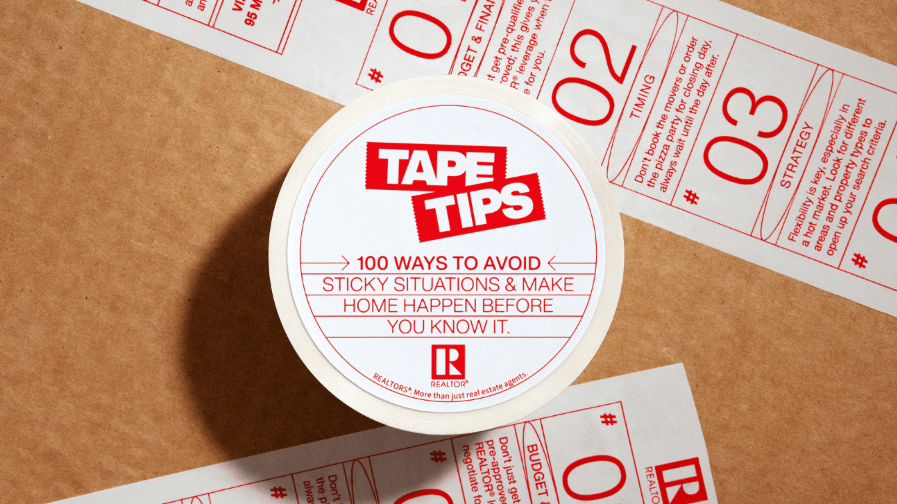
Buying a home is one of the biggest financial and emotional decisions Canadians will ever make, and many buyers feel overwhelmed long before they begin packing. A new national initiative from the Canadian Real Estate Association (CREA), called Tape Tips, is helping change that. This creative program turns a simple roll of packing tape into a powerful tool—featuring 100 practical home-buying tips from REALTORS® across the country. For buyers here in Guelph and Area, this initiative reinforces the value of working with an experienced REALTOR® who can offer customized advice tailored to local neighbourhoods, pricing trends, and competitive conditions. Tape Tips focuses on nine categories that matter most today—budgeting, strategy, timing, location, and more—all areas where a knowledgeable Guelph REALTOR® can make a major difference. Each tip is short, memorable, and designed to help buyers stay informed and avoid costly mistakes. If you’re preparing to make a move, the right guidance can turn a stressful process into an exciting milestone—and help you start packing with confidence.
💯 The Top 100 REALTORS® Home Buyer Trusted Tips
#1 - When it comes to location there are three essentials to look for: how close you are to work, amenities and fun.
#2 - Location is most important when it comes to your daily quality of life. Important things to consider are convenience in terms of proximity for shopping or commuting as well as school zones.
#3 - It sounds obvious but always make sure you try to view a property twice. It’s amazing what you’ll see the second time around.
#4 - Ask how old the roof is. Some insurance companies won't insure the roof if it's more than 10 years old.
#5 - Making an offer is about building trust between all parties. Think of it like a first date, you may only get one chance to make a good impression so be honest and fair.
#6 - Easements can haunt you after your house purchase. Your REALTOR® can help make sure there aren’t any hidden things to worry about.
#7 - Come with an open mind because what may not look like the house for you on a screen may end up being exactly what you were looking for.
#8 - Your opinion matters most. What's best for others isn't necessarily what's best for you, it’s your decision and you need to be comfortable with it.
#9 - When negotiating, try to keep your emotions out of the process. The house has no feelings and that should be the focus.
#10 - Never skip a final walkthrough. It’s your last chance to verify repairs and ensure that everything’s in order so that you can avoid unpleasant surprises.
#11 - One way to help define needs over wants is to focus on layout, condition and location more than appearance or trendy finishes.
#12 - Take everything step by step. Buying a home can become overwhelming and your REALTOR® is there to help you throughout the process.
#13 - Look for features that increase home value over time, such as energy-efficient upgrades or proximity to future developments like transport links or new schools.
#14 - Understand and account for all closing costs upfront. You need to budget beyond the down payment to avoid surprises once you’ve moved in.
#15 - Make sure that you feel good being inside the property. Checking the boxes of what you need isn’t enough, ask yourself if this is a home you’d be excited to host a dinner party in.
#16 - In a competitive market, being pre-approved for your mortgage can give you the edge you need to secure the property you love!
#17 - Ask your REALTOR® to check for local zoning and development plans before making an offer. That quiet green space behind your future home may have been approved for a condo building.
#18 - Explore every neighbourhood to see if it’s gentrifying. Are people renovating? Buying in an up-and-coming neighbourhood could increase your home’s value over time.
#19 - Focus on long-term value, not just first impressions. Location matters more than staging.
#20 - This doesn’t necessarily have to be your forever home. It can be a stepping-stone to get to the home of your dreams.
#21 - One important feature often missed by buyers is the grading/slope of a property. With extreme weather increasing, having appropriate grading can save thousands in damages.
#22 - Moving is expensive, so try to forecast what your needs will be for the next 10 years. "Future proofing" your purchase means you won’t have to move again in a couple of years.
#23 - Getting pre-approved helps you stick to your budget to stay realistic and confident throughout the home buying process.
#24 - When buying a rural property or cottage, it's best to find a REALTOR® that lives in the area and is knowledgeable about septic systems and wells.
#25 - Always get a home inspection, even for a brand-new build. Not only will it give you peace of mind, but it can also help you in the final negotiations.
#26 - Remember that the process of buying a home is a marathon, not a sprint. Don't get discouraged and don't settle until you find something that meets your needs.
#27 - When you buy and sell in the same market, timing becomes less important—prices affect both sides, so the relative cost often stays the same.
#28 - Working with a local REALTOR® who knows the area helps you understand the value of not only the street but the location on the street.
#29 - Patience is essential. It’s so easy to get caught up in the stress of the process so don’t feel pressured to settle for less.
#30 - Even if there aren’t multiple bids on a home you like, writing a heartfelt, personal letter to the seller can go a long way to help negotiations go smoothly.
#31 - Be ready and be prepared. Know your buying power early so you can act fast and confidently when the right home hits the market.
#32 - Meet your potential neighbours and ask them about the neighbourhood. Are they happy? What would they change about it? Neighbours can tell you everything.
#33 - It’s not always a good strategy to buy the most expensive house on the street. It may be hard to get your money back when selling.
#34 - Affordable comfort beats over-stretching for perfection, every time.
#35 - Don’t stress about trying to time the market — the best time to make a move is when it feels right for you.
#36 - Trust your nose when looking at properties. Strong smells may indicate a mould problem or indicate that the seller is trying to cover up a problem.
#37 - When you’re looking to buy, don't call the sign on the lawn. Make sure you are working with your own REALTOR® who will protect your interests.
#38 - Try to get into the market as early in life as you can in order to maximize your long-term growth in equity.
#39 - Flexibility is key, especially in a hot market. Look for different areas and property types to open up your search criteria.
#40 - When visiting a home, bring a bouncy ball to check if the house is tilted to one side. This is especially important in the case of non-carpeted floors.
#41 - If you’re looking at buying an older home, make sure you know how much the fuse box is rated for (100 or 200 amps) and whether the wiring needs to be replaced.
#42 - You can change almost anything about a house except its location and its lot.
#43 - When looking to buy, think like a landlord. If your financial situation changes, could you easily rent your place out to cover the mortgage? Treat your home like an investment.
#44 - In general you can follow the 80/20 rule for most houses. 80% of features are critical. 20% are cosmetic and can be modified.
#45 - Don’t overextend yourself financially to buy your dream home. You should always leave room in your budget for emergencies, repairs, and life changes.
#46 - It sounds basic, but a good house always starts with a good foundation. Start every visit by checking the condition of the foundation.
#47 - Get pre-approved before you start house hunting. This not only helps you understand your true budget, but also strengthens your offer when you find the right home.
#48 - Try to view as many different properties as possible, you’ll find yourself re-thinking what is important. It helps narrow down what is really important to you as a buyer.
#49 - Always pay for a professional home inspector.
#50 - Think like an investor and always keep one eye on future profitability. Even if you’re buying a home to live in, think about how much it could appreciate - or depreciate - over time.
#51 - Consider the size and shape of different rooms for the layout of furniture. Sometimes doorways and windows limit the amount of wall space available for couches and TV viewing.
#52 - Renovations can easily get expensive. If you’re not totally confident in your renovation abilities, consider a modern turnkey instead.
#53 - If you’ve already sold your house, resist the urge to buy something that’s not quite right. You can always rent for a while until you find the perfect place.
#54 - Even if buying a new home directly from developers, it’s still important to work with a REALTOR®. You can rely on them to always have your back.
#55 - Make sure you have a pre-approval from a lender or a mortgage broker before you start shopping so you know exactly how much you can qualify for.
#56 - Be strict with yourselves about what you need versus what you want and be flexible. You may never find the "perfect home" but that’s okay if it meets your needs.
#57 - Always check the age and condition of the HVAC system. This can cost thousands to upgrade.
#58 - It’s a cliché but location matters. You can modify everything about a home… but you can’t change its location.
#59 - Once you’re pre-approved it sometimes pays to wait. Keep an eye on mortgage rates and lock in when it's the right time.
#60 - Consider starting every home visit in the basement. This is where you can get a good idea of the overall condition of the home and see potentially expensive problems.
#61 - It probably won’t be a dealbreaker but it can be a good idea to measure your favourite pieces of furniture to see if they will fit in any of the homes you’re interested in.
#62 - Don’t book the movers or order the pizza party for closing day, always wait until the day after.
#63 - If you’re buying a new-build in a development make sure you’ve researched the builder and visited other places they’ve built.
#64 - Always try to look past the staging of a home you’re considering. Good staging can make a house look more attractive than it actually is.
#65 - If your timeline allows, try to schedule a walkthrough after the snow melts. Hidden issues often reveal themselves in spring.
#66 - Always shop around for your mortgage. A good mortgage broker should search the market for the best overall deal for you.
#67 - Location is key but don’t ignore the property itself. Fishbowl backyards are hard to sell.
#68 - Make sure you visit a property at different times of the day, especially if it’s located on a main road or near a school.
#69 - Buying a home is likely the biggest financial decision you will ever make. Make sure you find a REALTOR® you trust.
#70 - Get pre-approved so that when the time comes you can make an offer with confidence.
#71 - When entering negotiations, go in knowing that both sides may end up a little unhappy. That’s OK.
#72 - Remember that the buyer determines what they will offer. Your REALTOR® can help guide you using market data.
#73 - Do a rough calculation for any renovations you’ll need to do, especially if it’s an older home.
#74 - If the house you’re interested in has been recently renovated, ask your REALTOR® to make sure there are no outstanding permits.
#75 - Buying a beautiful house in a neighbourhood where neighbours don’t care for their homes can decrease your home value.
#76 - Date the rate, marry the purchase price.
#77 - If you’re looking at condos, fully understand the condominium documents—especially the reserve fund balance.
#78 - Make sure you’ve calculated what the monthly payments would be if you buy at the highest price you’re pre-approved for.
#79 - Be as flexible as possible with price, closing date, and inclusions.
#80 - It’s never too early in the process to start working with a REALTOR®.
#81 - Knowledge is key. Research neighbourhoods for schools, transit, amenities, and resale value.
#82 - Make sure you feel good about all of the professionals you work with.
#83 - You should try and have at least three months of mortgage payments in savings for a rainy day.
#84 - This is often overlooked but the land itself is almost as important as location.
#85 - Thinking long term can help you make decisions if you know where your life's headed.
#86 - Understand what a property is worth to you before you make an offer.
#87 - When it comes time to make an offer, work with your REALTOR® to ensure you’re in a position to make an offer with no conditions.
#88 - Whenever possible, book showings and inspections when it’s pouring rain.
#89 - Choosing the right REALTOR® is an essential part of the process.
#90 - Start the process well in advance of your target move-in date.
#91 - Always find out the type of plumbing used in the house, especially if it’s older.
#92 - Don’t just get pre-qualified—get pre-approved.
#93 - Make sure you take advantage of all the first-time home buyer privileges.
#94 - Buy only when you can afford to and when it makes sense for your situation.
#95 - Consider setting aside funds as a security blanket so you don’t miss a payment.
#96 - Don't skip the home inspection. It can save you thousands.
#97 - When buying a home, try to keep your current needs in focus instead of forecasting several years ahead.
#98 - Check your credit report early for any errors that might affect your mortgage rate or approval.
#99 - Pay attention to where the sun rises and sets when visiting a property.
#100 - Ask about any past insurance claims on the property.
Adam Stewart | M.Mktg, B.IntSt, B.Bus, DipBA Real Estate Sales Representative | Chestnut Park West
📅 Let’s talk real estate—click here book your time now.
Direct: +1 519 265 2602
Office: +1 519 804 7200
adam.stewart@chestnutparkwest.com
www.adamstewart.realtor | www.adamstewart.ca
Chestnut Park Realty Southwestern Ontario Ltd., Brokerage
28 Douglas Street, Guelph ON N1H 2S9
50-75 King Street S., Waterloo ON N2J 1P2